Trek 520 Geometry & Bikepacking Bag Fit2024
Discontinued. Trek no longer lists the 520. It's here because these frames stay in circulation second-hand and the geometry is still what you need to pick bags — but you won't find one new.
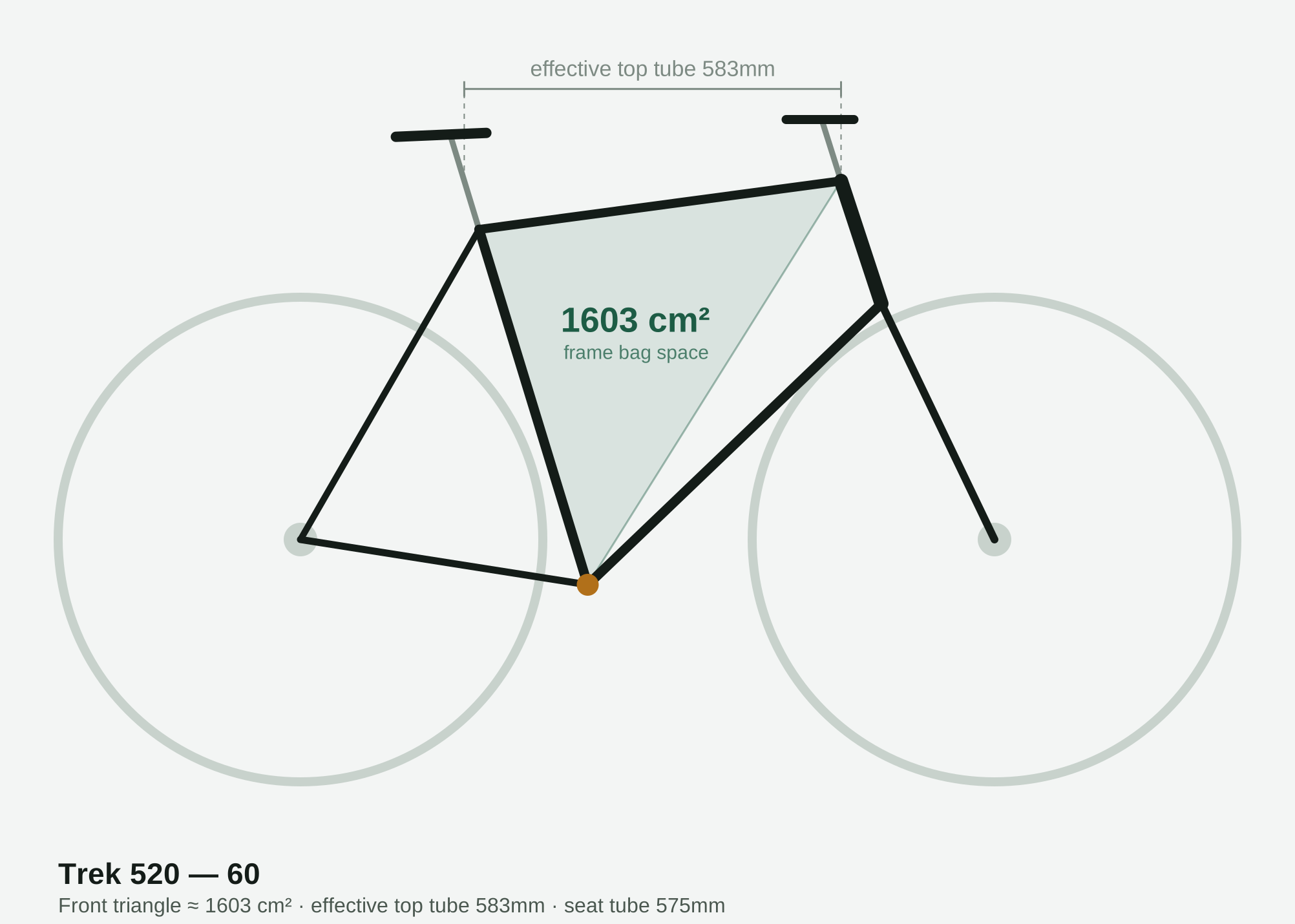
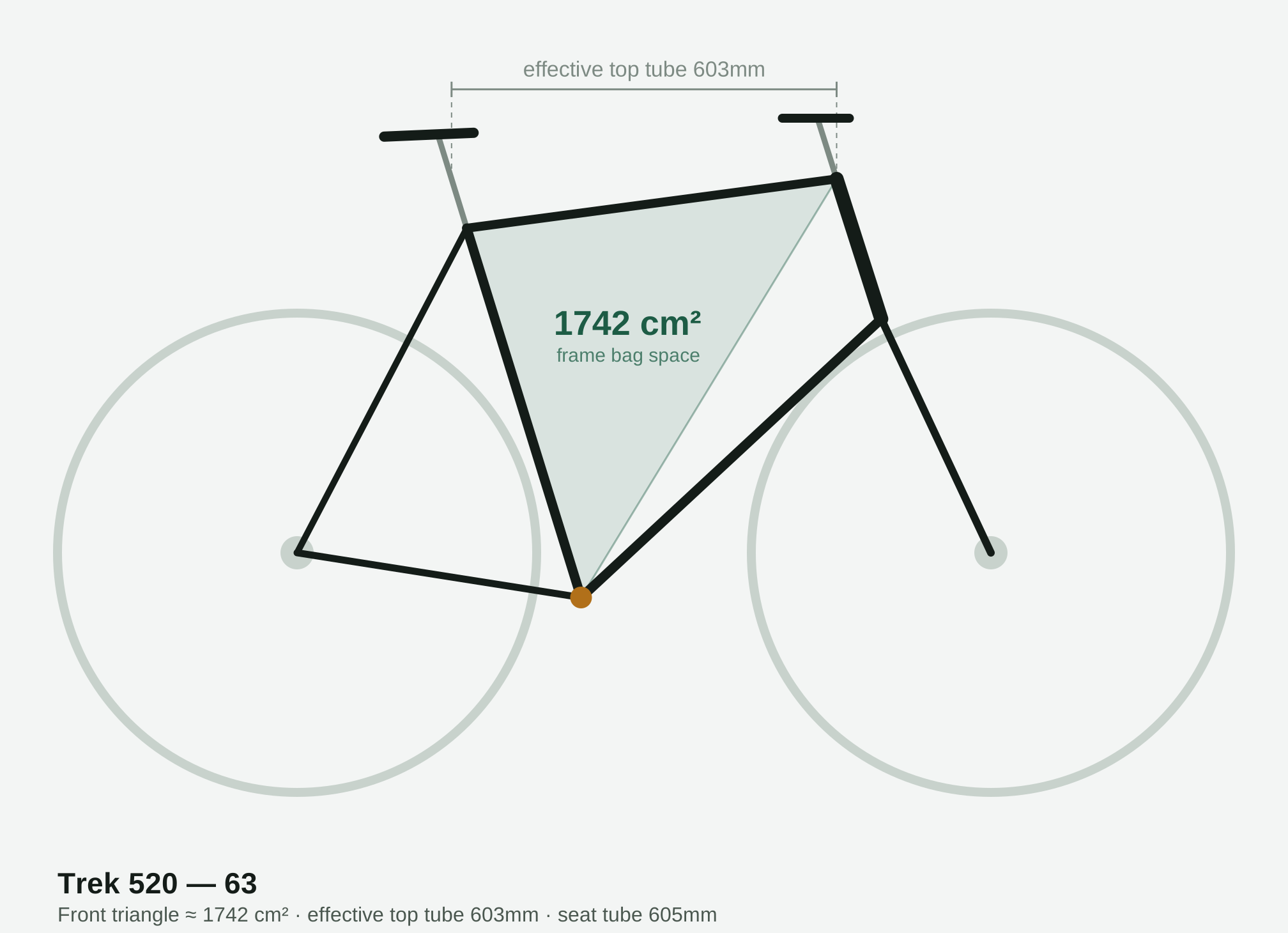
Trek 520 frame geometry, drawn to scale
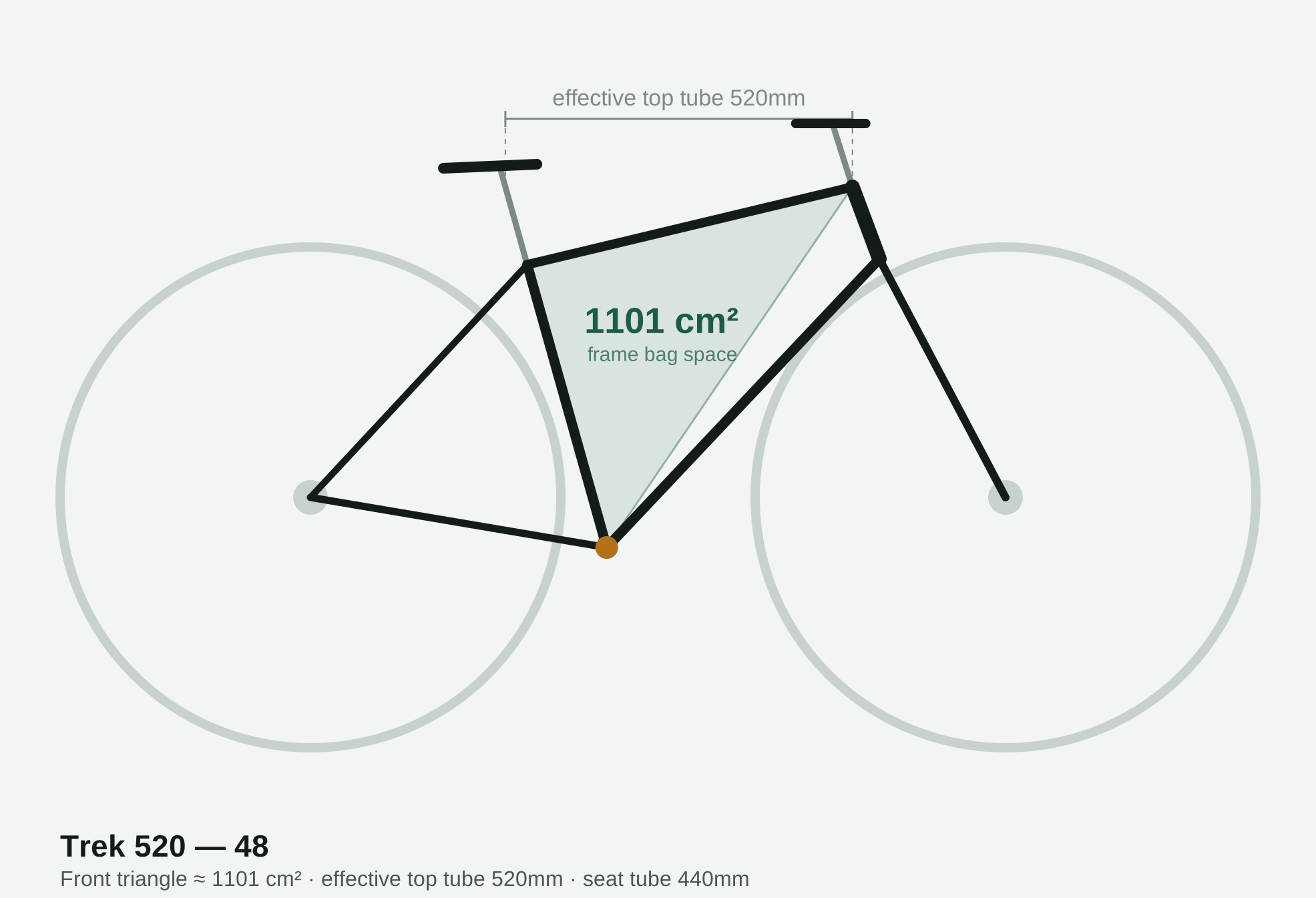
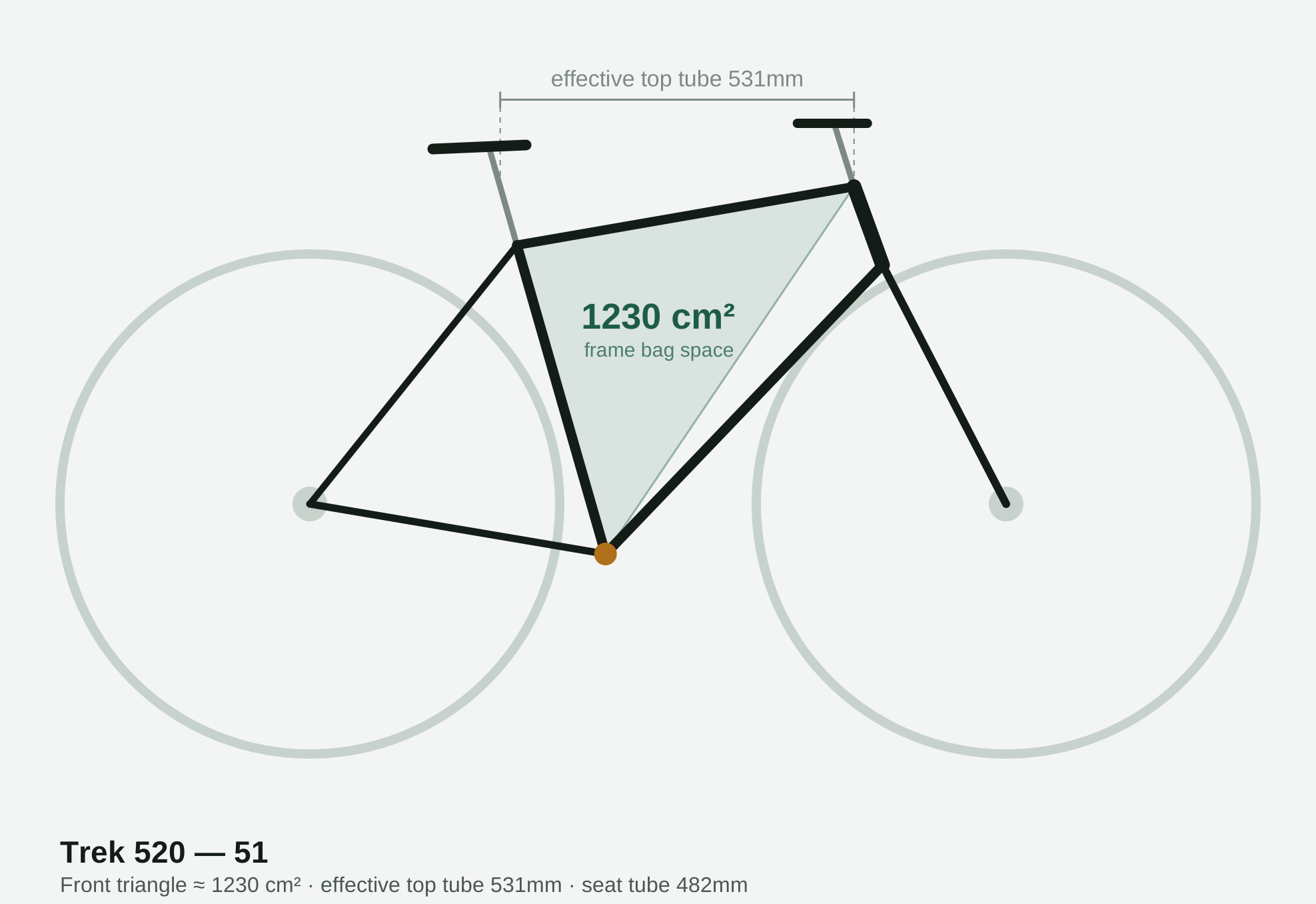
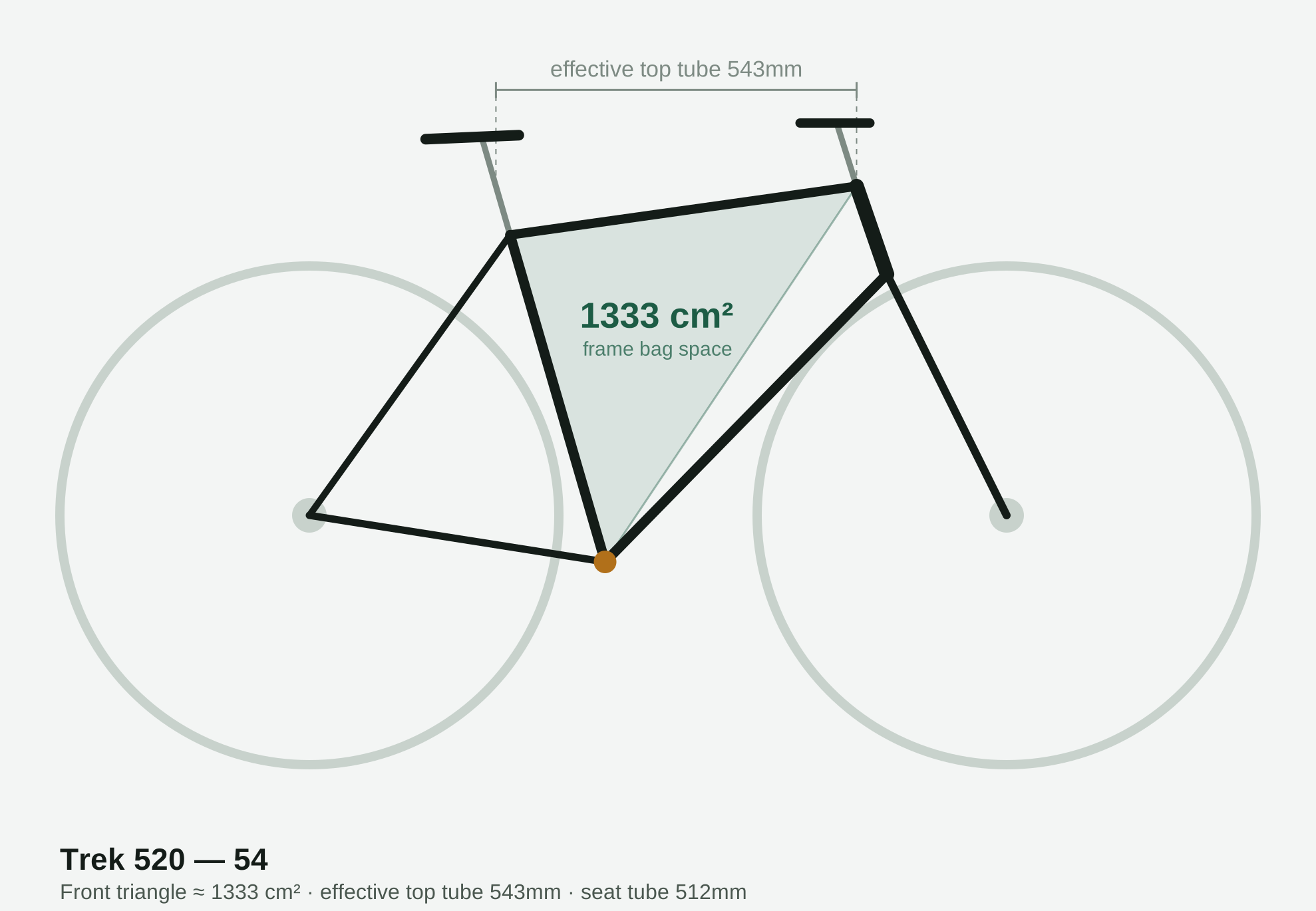
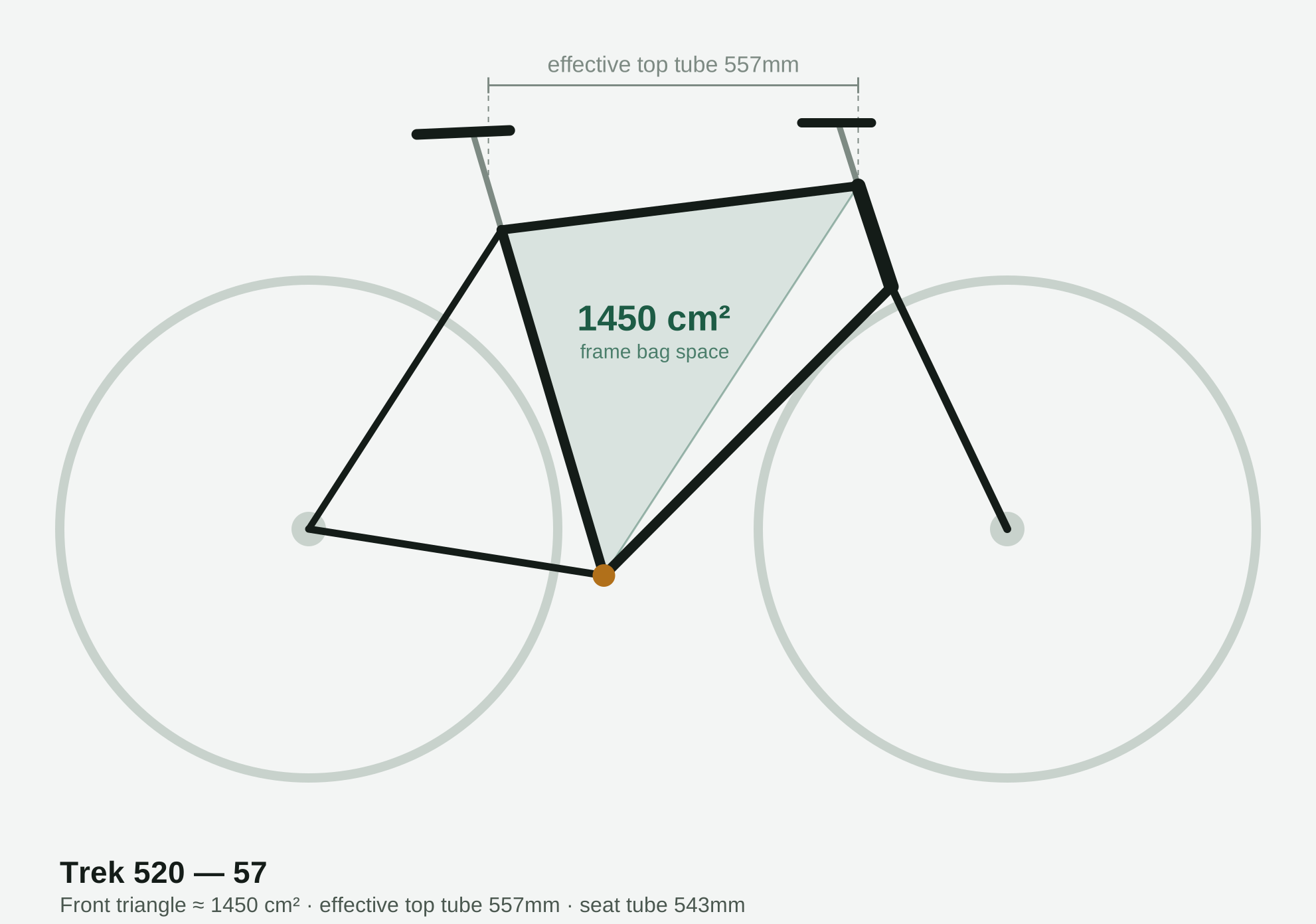
Every tube angle and length below is from the published chart, not an illustration. The front triangle area is the number that decides which frame bags fit — and it changes a lot across sizes.
What this frame gives a loaded bike
Chainstay length is the gap between the seat tube and the rear axle, which a rack, panniers and your heels all have to share. Bottom bracket drop is how far the cranks sit below the axles. Both are compared against the median across every current frame we hold.
450mm chainstays, 15mm longer than the 435mm median across the 65 current frames here. Bottom bracket drop 70-75mm, close to the 70mm median. The fork publishes cargo mounts, and no frame bottle positions are published. A rear rack bolts straight on. Widest published tire 51mm on 700c / 29in.
Every figure above is the manufacturer's, computed against the rest of the database. It says what the frame allows, not how it feels — nobody here has ridden it.
What it can carry
Mount provision and clearance, as Trek publishes it.
Trek's wording: “Tire Clearance: 2"”
Geometry
All figures in millimeters except angles. Effective top tube and seat tube are the two that decide frame bag fit.
| Size | Eff. top tube | Seat tube | Standover | Head tube | Stack | Reach | Chainstay | Wheelbase | BB drop | Head angle | Seat angle |
|---|---|---|---|---|---|---|---|---|---|---|---|
| 48 | 520 | 440 | 713 | 115 | 540 | 368 | 450 | 1041 | 75 | 69.5° | 74.3° |
| 51 | 531 | 482 | 741 | 125 | 551 | 373 | 450 | 1045 | 75 | 70° | 74° |
| 54 | 543 | 512 | 768 | 140 | 565 | 378 | 450 | 1048 | 70 | 71° | 73.8° |
| 57 | 557 | 543 | 794 | 160 | 587 | 383 | 450 | 1052 | 70 | 71.8° | 73.5° |
| 60 | 583 | 575 | 826 | 200 | 625 | 392 | 450 | 1074 | 70 | 71.8° | 73° |
| 63 | 603 | 605 | 854 | 230 | 655 | 400 | 450 | 1086 | 70 | 72.3° | 72.8° |
Bottom bracket height
Roughly 300–305mm off the ground. Trek doesn't publish this directly — we derive it from their BB drop and a typical 75cm tire diameter, so treat it as indicative rather than exact. It changes with the tire you fit. Lower means more stable and more pedal strikes; higher means the opposite.
Source — Trek's own geometry chart: https://www.trekbikes.com/us/en_US/bikes/bikepacking-touring-bikes/520/520/p/24000/ — checked 2026-08-18. A dash means the figure isn't published; we leave it blank rather than estimate.
Questions people ask about this frame
Answered from what Trek publish. Where they publish nothing, that is what it says.
Does the 520 take fork cargo cages?
Rack mounts, not cage mounts. The fork mounts Trek publish are for racks or fenders, and a lowrider eyelet won't take a cargo cage. That doesn't rule cages out — it means nobody has said.
What is the widest tyre the 520 takes?
51mm on 700c / 29in. That is the frame figure rather than the fork's, and it is what limits a loaded bike.
Will a seat pack work on the 520?
Not published. Trek don't state dropper compatibility for this frame, so we can't tell you whether a dropper would compete with a seat pack on it.
Which frame bags fit
Every frame bag we track, checked against this frame's published geometry. Pick your size.
Checking 16 frame bags against a 557mm effective top tube and 543mm seat tube. 16 fit.
Frame bag fit is calculated from Trek's published geometry, so it's as reliable as their chart. Seat packs and handlebar rolls depend on your exposed seatpost and bar width, which no geometry table lists — the bag finder covers those once you add your own measurements.