Ritchey Outback vs Specialized Diverge 4 Sport Carbon
Both published charts held against each other, on the specs that decide what the bike carries.
The short answer
The Diverge 4 Sport Carbon is ahead on frame bag space. Nothing here goes the other way.
Assembled from the differences below rather than written over them, so it cannot drift from the table. Every figure is the manufacturer's; nobody here has ridden either bike.
Where they differ
5 of the 6 things we can compare come out differently. The rest are close enough not to decide anything.
Frame bag space
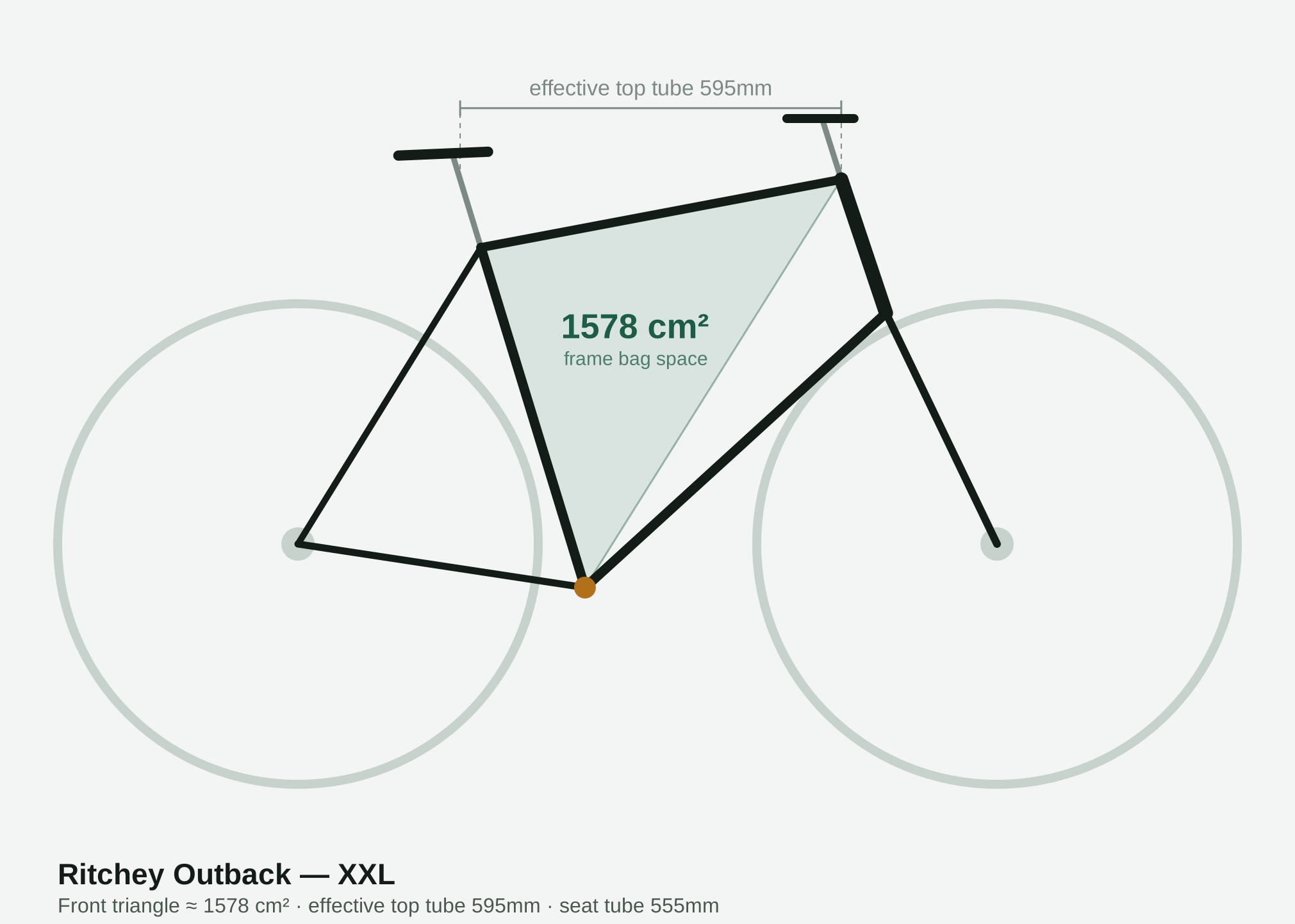
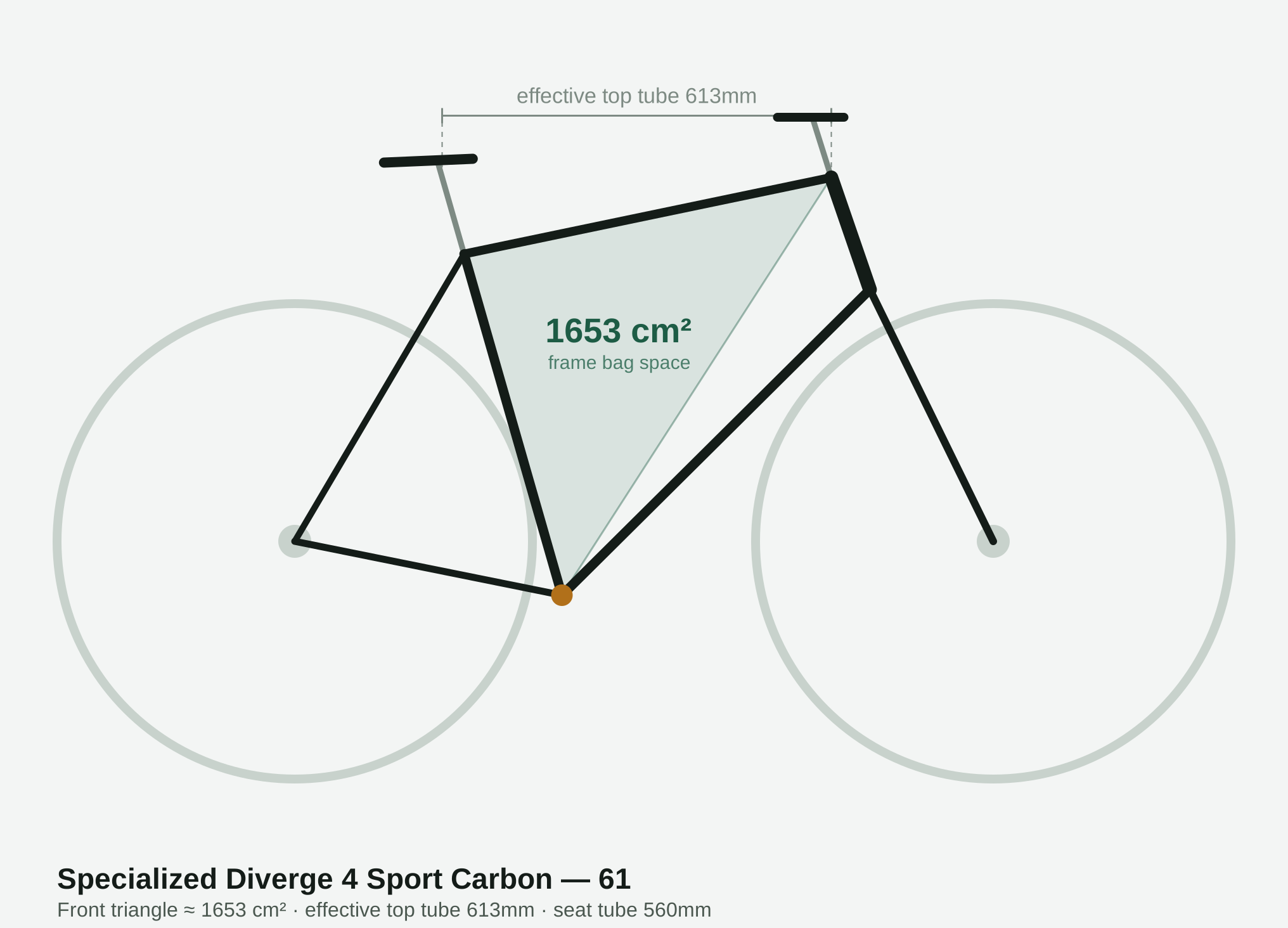
75 cm² more on the Diverge 4 Sport CarbonFront-triangle area at the largest size, computed from stack, reach and seat angle. It is what decides how much full-frame bag you can run, and a frame bag is the one place weight sits low and central.
Rear rack
only the Outback publishes a rear rack answerRead from each maker's own mount wording. An adapter is a real cost the price tag does not mention, and 'not published' is not the same as no — it just is not something to buy a rack on.
Fork cargo mounts
only the Outback publishes somewhere to bolt a cageCage mounts on the fork blades. This moves weight low and off the bars, which is where a heavy bar roll does the most to the steering. A frame with none published may still have them — it means the maker does not say.
Dropper post
only the Outback publishes dropper routingA dropper cannot be strapped to, so fitting one rules out almost every seat pack and leaves rail-mounted bags at a fraction of the volume. It is a capability and a constraint at once.
Chainstay
23mm longer on the OutbackThe gap between seat tube and rear axle, which a rack, panniers and your heels all share. Longer is more room for a load; shorter is a more compact bike. Which you want is a preference, not a winner.
Side by side
Including the rows where the two are level, because a spec that doesn't separate them is still a spec you might be checking.
| Ritchey Outback | Specialized Diverge 4 Sport Carbon | |
|---|---|---|
| Frame bag space | 1578 cm² | 1653 cm² |
| Widest published tire | 48mm on 700c / 29in, 51mm on 650b / 27.5in | 50mm on 700c / 29in |
| Rear rack | Bolts straight on | Not published |
| Fork cargo mounts | Published | None published |
| Dropper post | Compatible | Not published |
| Chainstay | 453mm | 430mm |
| Sizes | 6 | 6 |
| Frame | Steel | Specialized Diverge FACT 9r carbon |
Drawn to scale
Largest published size of each, built from the charts rather than illustrated. The front triangle is the part that decides frame bag fit.